
Measure Outcomes, Not Outputs
Mission-driven organizations are fundamentally fueled by a desire to create meaningful change—whether by restoring native wildlife populations or dismantling generational barriers to education and career advancement. However, in the earnest pursuit of doing good, a critical question is often overlooked: How do we know our efforts are actually helping?
Measuring success strictly by the activities an organization undertakes, rather than the tangible outcomes those activities produce, limits potential impact. Shifting focus from outputs to outcomes is critical not only for demonstrating value to stakeholders, but also for optimizing operations, programs, and processes. This shift provides the necessary data to allocate resources effectively, simplifies complex operational decisions, and gives teams absolute clarity on which initiatives warrant their valuable time and effort.
Consider the following example of how transitioning from output- to outcome-based measurement can transform an organization’s trajectory.
A Case Study in Environmental Impact
Imagine a hypothetical environmental group dedicated to conserving coastal wetlands. For years, their primary strategic goal was metric-driven: “Host 50 volunteer wetland restoration events annually.” They consistently reported success to their board, citing the hundreds of volunteers who attended to remove invasive weeds and replant native species.
During a strategic review, a board member posed a crucial question: “We have been hosting these events for years. What demonstrable impact have we achieved over time? Have these events actually improved the ecosystem?” The team struggled to answer. They had meticulously tracked their activities (outputs) but had neglected to measure their actual impact (outcomes).
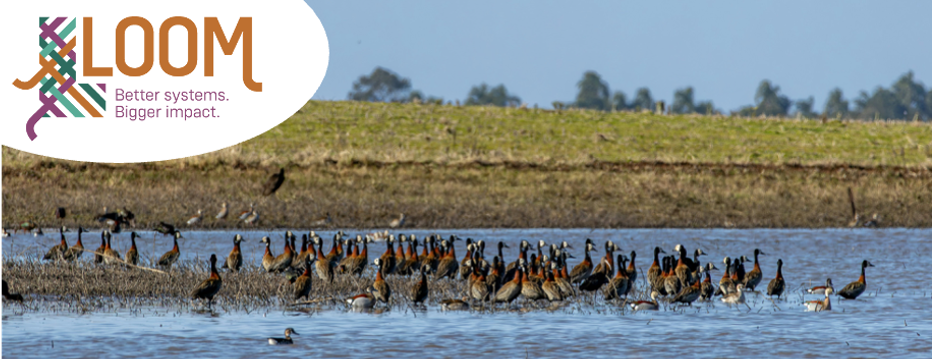
To pivot, the organization asked themselves what a truly restored wetland would look like. Historically, a healthy local ecosystem attracted large populations of nesting birds—a number that had dropped significantly over the past 50 years. By focusing on the desired end state, they established a new, outcome-driven goal: “Increase the yearly nesting bird population in the designated region by 30% over 3 years.”
In the first year, they maintained their restoration events but implemented nesting bird counts. By the end of the second year, the anticipated population increase had not materialized. This prompted a deeper investigation into the efficacy of their work. The team discovered that while their restoration efforts created suitable nesting habitats, local predators were rapidly destroying the nests.
This critical insight revealed a misalignment between their efforts and their desired impact. Taking immediate corrective action, they reallocated a portion of their volunteer resources toward predator management. The following year, the native nesting bird population finally began to rise.
Better Systems. Bigger Impact.
Scaling your impact requires scalable systems, and the foundational step in building those systems is clearly defining what success looks like—identifying the precise problem you intend to solve and the ultimate outcome you aim to achieve.
At Loom, we specialize in helping mission-driven organizations build the operational clarity required to drive real change. If you are ready to transition your team from tracking activities to measuring true impact, let's connect.Reach out todayto discuss how we can partner to define your success and build the strategic framework necessary to achieve it.